Ramadan Recipes and Traditions
Ramadan is the 9th month of the Muslim calendar and is a time of prayer, reflection, fasting (sawm) and self-sacrifice. Eating, drinking, smoking and even sexual relations are prohibited from sun-up to sundown (Maghrib).
Observant muslims eat a morning meal, the Suhoor, before dawn. The fast is broken each evening with a meal called the iftar. Traditionally, the first bite of food for the iftar is a date and perhaps a sip of milk. These are followed by heartier fare, coffee and tea. Friends and family often gather together to share the experience.
Iftar traditions vary widely around the world. Muslims in many countries eat dishes that are typical for their region the year round. In other countries, special dishes are particularly associated with the iftar meal.
Because Ramadan is a lunar month, it begins on a different date every year. Its start is announced according to the appearance of the new moon, and the exact time can vary by several hours depending on where in the world you find yourself.
Ramadan began on the 19th or 20th of August in 2009. Ramadan concludes with a large feast — the Eid al-Fitr. The Eid starts at sundown on September 19th in 2009.
Ramadan Recipes
Fesenjan
(Persian chicken in pomegranate-walnut sauce)
Fesenjan, also known as khoresht-e fesenjan or fesenjoon, is special occasion food in Iran. It is traditionally made with duck or pheasant in the north of the country along the Caspian Sea. A thick, rich, sweet-sour dish, fesenjan improves in flavor if served the next day. Read more »
Ful Medames
(Egyptian slow-cooked fava beans)
Ful medames is an ancient Egyptian dish with origins that reach back to the time of the pharaohs. This simple dish of slow-simmered fava beans seasoned with olive oil, lemon juice, garlic and spices is the daily breakfast meal for millions of Egyptians. To do ful medames right takes some time, most of it spent soaking and simmering. Start this recipe in the morning to have it ready for breakfast the next day. Especially popular during Ramadan. Read more »
Harira
(North African lamb and chickpea stew)
Harira is a soup from the Maghreb region of North Africa that is especially popular as an iftar meal to break the daily fast during Ramadan. There are innumerable variations of this hearty, healthy soup, but most recipes are for chunks of lamb slow simmered with tomatoes, chickpeas, spices and herbs. Read more »
Lahm Lhalou
(Algerian lamb stewed with prunes)
Lahm lhalou, Arabic for "sweet meat," is a very popular dish in Algeria, especially during the month of Ramadan. The daylong fast is broken first with dates, then with mouthfuls of this unctuous and fragrant dish of tender lamb simmered with sweet fruits. Normally, no salt is added to the dish so as not to cause thirst during the next day's fast. But you can add a little if you like. Other common spellings: l'ham lhalou; el ham lalou. Read more »
Pakora
(Indian vegetable fritters)
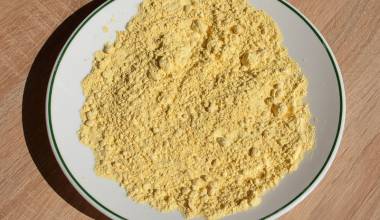
Pakoras, savory fritters, are a very popular Indian chaat — snack or appetizer — especially in the North. The chickpea batter gives them a unique flavor, and their crispy crust encases all kinds of vegetables and sometimes chunks of meat. Pakoras are often bought from street vendors who serve them wrapped in a newpaper cone. Read more »